
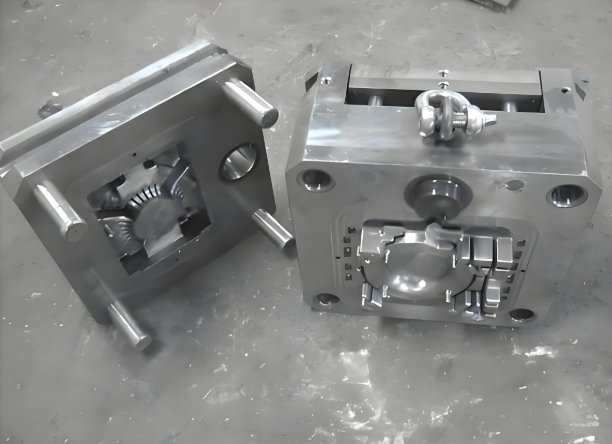
Overmolding is a critical process in electronic injection molding. It enhances durability, protection, and functionality. This method involves molding one material over another to create a single, strong component. Mold makers use overmolding to improve electronic parts, ensuring better performance and longevity.
This article explores overmolding techniques, materials, benefits, and applications in electronic manufacturing.
1. What Is Overmolding?
Overmolding is a two-step process. It involves molding a second layer of material over a primary substrate. This technique enhances grip, insulation, and resistance to environmental damage.
1.1 How Overmolding Works
- The base material (substrate) is molded first.
- The second material is injected over the base.
- The two materials bond, forming a single durable part.
1.2 Materials Used in Overmolding
1.2.1 Substrate Materials
- Thermoplastics (ABS, PC, Nylon).
- Metals (Copper, Aluminum).
1.2.2 Overmold Materials
- Rubber-like elastomers (TPU, TPE) for flexibility.
- Soft plastics for improved grip.
2. Overmolding Techniques in Electronic Injection Molding
2.1 Insert Molding
This method places a metal or plastic insert inside the mold before injecting the second material. It enhances mechanical strength and electrical insulation.
2.2 Two-Shot Molding
A highly precise method that uses two injection barrels to mold different materials in one cycle. It improves efficiency and part consistency.
2.3 Low-Pressure Overmolding
Used for delicate electronic components. It prevents damage by applying gentle pressure during molding.
3. Benefits of Overmolding in Electronics
3.1 Enhanced Protection
- Shields components from moisture, dust, and chemicals.
- Reduces wear and tear.
3.2 Improved Electrical Insulation
- Prevents short circuits.
- Ensures stable electronic performance.
3.3 Stronger Mechanical Bonding
- Eliminates the need for adhesives.
- Reduces the risk of part failure.
3.4 Better Ergonomics
- Provides a comfortable grip for hand-held devices.
- Enhances product design.
3.5 Vibration and Shock Resistance
- Absorbs impact.
- Extends the lifespan of electronic parts.
4. Common Applications of Overmolding in Electronics
4.1 Connector Overmolding
- Protects electrical connectors.
- Prevents wire damage.
4.2 PCB Encapsulation
- Shields printed circuit boards from environmental stress.
4.3 Handheld Electronic Devices
- Improves grip on tools and controllers.
4.4 Cable and Wire Overmolding
- Increases flexibility.
- Enhances strain relief.
4.5 Medical Electronics
- Ensures hygiene with smooth, easy-to-clean surfaces.
5. Challenges in Overmolding for Electronics
5.1 Material Compatibility
- Substrate and overmold materials must bond well.
- Mold makers select materials based on adhesion properties.
5.2 Shrinkage and Warping
- Differences in thermal expansion can cause defects.
- Proper temperature control is necessary.
5.3 Tooling Complexity
- Multi-material molds require precision engineering.
- Increases tooling costs.
5.4 Process Control
- Maintaining correct injection pressure and temperature is critical.
- Prevents defects like delamination and air pockets.
6. Best Practices for Successful Overmolding
6.1 Selecting the Right Materials
- Ensure chemical compatibility between layers.
- Use high-performance thermoplastics for durability.
6.2 Optimizing Mold Design
- Design molds for uniform material flow.
- Prevent air entrapment by adding vents.
6.3 Controlling Temperature and Pressure
- Use low-pressure molding for delicate electronics.
- Adjust temperature settings to avoid defects.
6.4 Testing for Quality Assurance
- Perform adhesion tests to check bonding strength.
- Use X-ray or ultrasonic inspection for hidden defects.
7. The Role of a Mold Maker in Overmolding
7.1 Precision Tooling
- Designs multi-cavity molds for efficient production.
- Ensures tight tolerances for electronic components.
7.2 Material Expertise
- Selects materials that provide long-lasting durability.
- Ensures high-performance bonding.
7.3 Process Optimization
- Reduces cycle time for cost-efficient production.
- Implements quality control measures for defect-free parts.
8. Future Trends in Overmolding for Electronics
8.1 Smart Overmolding
- Uses conductive materials for integrated electronic functions.
- Enables flexible electronics and wearable devices.
8.2 Sustainable Materials
- Development of biodegradable overmolding solutions.
- Reduces environmental impact.
8.3 Automation in Overmolding
- AI-driven molding processes improve precision.
- Robots enhance efficiency and consistency.
Overmolding is a valuable process in electronic injection molding. It enhances durability, protection, and performance. Mold makers play a crucial role in selecting materials, designing tools, and optimizing the process.
By following best practices, manufacturers can achieve high-quality overmolded electronic components. With advancements in smart materials and automation, overmolding will continue to evolve, improving the future of electronic device manufacturing.