
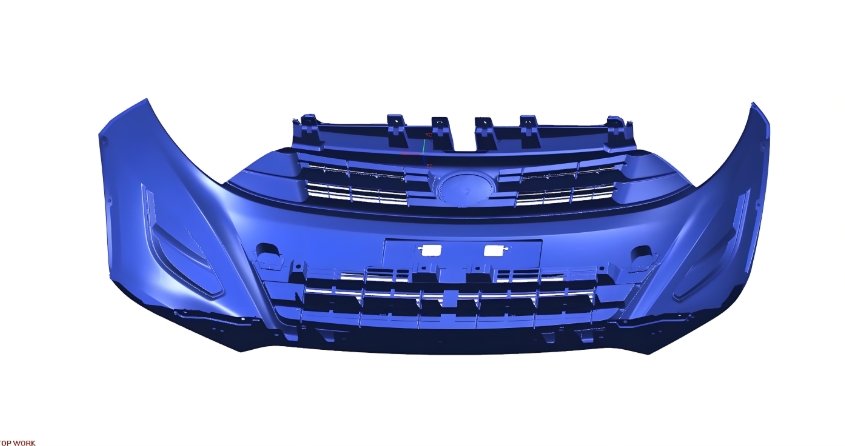
Automotive injection molds are vital in the manufacturing of auto parts. Mold makers use advanced techniques to create precise molds. These molds help produce high-quality automotive parts. Each part must meet strict standards for performance and safety. Using modern techniques ensures that manufacturers stay ahead of the competition.
Why Advanced Techniques Matter
1. Improved Efficiency
Advanced injection mold techniques increase efficiency. Automation in the molding process reduces cycle time. This allows for faster production. The quicker the molds are created, the faster parts can be assembled.
2. Higher Precision
Modern techniques ensure high precision. Mold makers can create complex, intricate parts with tight tolerances. This precision is vital for automotive components that must fit together perfectly.
3. Cost-Effectiveness
While advanced techniques may require a higher initial investment, they save money in the long run. Efficient production processes reduce waste. Faster cycle times help meet production targets without compromising quality.
Key Advanced Techniques in Automotive Injection Molding
1. Multi-Material Molding
Multi-material molding uses two or more materials in a single part. This technique is commonly used in the production of complex automotive parts. For example, dashboards, door panels, or bumper components can have different materials for aesthetic and functional purposes. Mold makers carefully choose compatible materials to ensure the part’s durability and functionality.
2. Gas-Assisted Injection Molding
Gas-assisted injection molding is a technique that uses gas to reduce the weight of parts. By injecting gas into the mold cavity, mold makers create hollow sections inside solid parts. This helps reduce the weight of automotive parts, such as bumpers and body panels. Lighter components improve vehicle efficiency by reducing overall weight.
3. Insert Molding
Insert molding involves placing a metal insert, such as a threaded metal component, into a mold before injecting plastic. This technique is commonly used for automotive parts that require both metal and plastic components. Inserts provide strength and allow parts to serve multiple functions. Mold makers ensure that the insert is securely placed to avoid defects during molding.
4. Micro Injection Molding
Micro injection molding is used for very small parts. This technique is especially important for automotive applications that require intricate components, such as sensors and connectors. Mold makers can create extremely detailed parts that meet the high standards of the automotive industry.
5. Overmolding
Overmolding involves placing one material over another. In automotive manufacturing, overmolding can be used to add a layer of soft-touch material to a hard plastic part. For example, an automotive handle may have a soft rubber coating over a strong plastic base. Mold makers ensure that the two materials bond effectively without separation.
6. Hot Runner Systems
Hot runner systems keep the material in the mold at a constant temperature. This helps eliminate waste by ensuring that all material is injected into the mold. Mold makers use these systems to optimize the injection molding process. The result is a more efficient process with fewer material defects.
7. In-Mold Decoration (IMD)
In-mold decoration allows for the application of graphics or designs during the injection molding process. Mold makers insert a film with graphics into the mold cavity before the part is injected. This technique is often used for automotive interior parts, such as dashboards or trim pieces, where visual appeal is important.
Benefits of Advanced Injection Mold Techniques
1. Higher Quality Parts
Advanced techniques allow mold makers to produce high-quality automotive parts. These parts meet strict industry standards for performance, safety, and durability. From dashboards to exterior panels, advanced techniques help create automotive parts that stand up to wear and tear.
2. Greater Design Flexibility
With advanced molding techniques, automotive parts can have more complex designs. Mold makers can create intricate shapes and structures that are not possible with traditional molding methods. This opens up possibilities for innovative designs in automotive manufacturing.
3. Better Material Efficiency
Advanced techniques like hot runner systems help maximize material use. This reduces waste during production. As a result, it makes the process more environmentally friendly and cost-effective.
4. Faster Production Times
Techniques like gas-assisted injection molding and multi-material molding speed up production. Reduced cycle times lead to quicker turnarounds for auto parts. This is especially beneficial for high-volume production runs in the automotive industry.
5. Reduced Weight for Improved Fuel Efficiency
Lightweight automotive components are critical for improving vehicle fuel efficiency. Using techniques like gas-assisted injection molding and insert molding, mold makers can produce lighter parts without sacrificing strength or durability.
6. Enhanced Durability and Performance
Automotive parts are subject to harsh conditions. Whether it’s high temperatures under the hood or constant wear from daily use, durability is crucial. Advanced molding techniques help ensure that parts can withstand these conditions. The resulting parts have improved strength and performance.
Challenges with Advanced Injection Molding
1. High Initial Costs
Advanced techniques often require specialized equipment. This can lead to high initial costs for mold makers. However, the long-term savings from increased efficiency and reduced waste usually outweigh these costs.
2. Complexity in Mold Design
Advanced molding techniques often result in more complex mold designs. Mold makers must carefully plan the mold structure to ensure that all components function as expected. This increases the time spent on design and prototyping.
3. Material Compatibility Issues
With multi-material molding and insert molding, material compatibility can be a challenge. Mold makers must select materials that bond well together. They also need to ensure that the materials used in production meet the performance requirements for automotive parts.
4. Technical Expertise Required
Advanced injection molding techniques require a high level of technical expertise. Mold makers need specialized knowledge in areas such as material science, mold design, and production methods. This expertise is critical to ensuring that the final product meets quality standards.
Advanced injection mold techniques are transforming the automotive industry. From improving precision and efficiency to creating lightweight parts, these techniques help automotive manufacturers meet the growing demands for quality and innovation. Mold makers play an essential role in ensuring that these techniques are implemented successfully. With the continued evolution of technology, the future of automotive injection molding looks promising. The ongoing development of new methods will likely lead to even better and more efficient production processes in the years to come.