Case Studies

Electronic Injection Molding

Injection Molding for Consumer Electronics: Phones, Laptops, and More

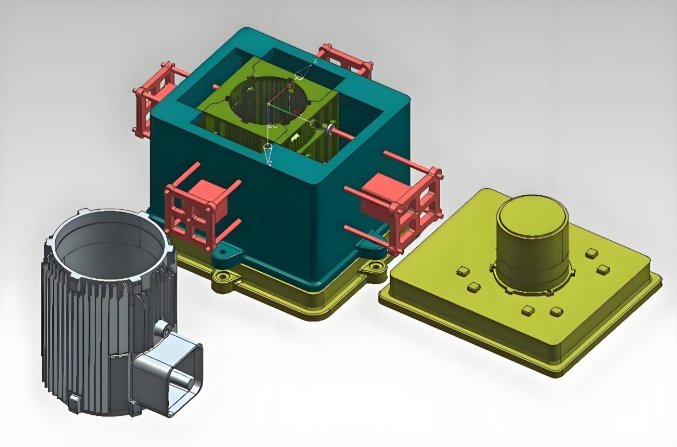
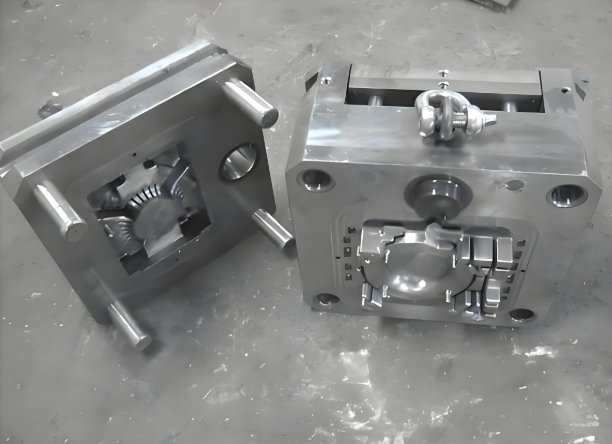
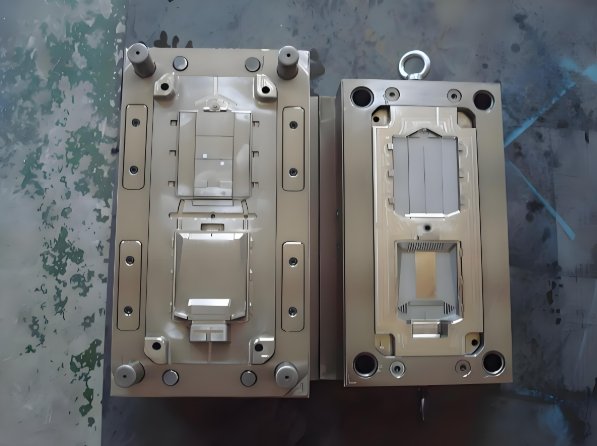
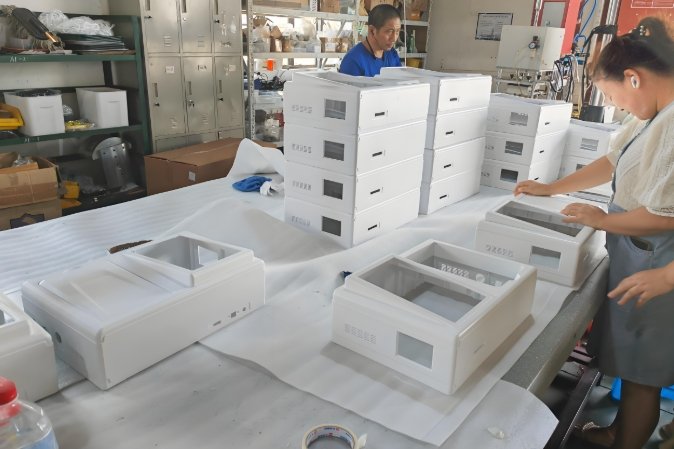
Consumer electronics need high-precision components. Electronic injection molding is essential for producing durable and lightweight parts. Mold makers create casings, buttons, connectors, and structural parts for phones, laptops, and more. 1. Why Use Electronic Injection Molding? 1.1 High Precision Electronics require detailed and accurate parts. Injection molding ensures consistency in production. 1.2 Lightweight and Durable […]

Injection Molding for Consumer Electronics: Phones, Laptops, and More Read More »
Electronic Injection Molding

Using Liquid Silicone Rubber (LSR) for Electronic Sealing

Liquid Silicone Rubber (LSR) is a key material in electronic injection molding. It provides excellent sealing for sensitive electronic components. Mold makers use LSR to create durable, flexible, and high-precision parts. This material protects devices from moisture, dust, and extreme temperatures. 1. What is Liquid Silicone Rubber (LSR)? LSR is a high-purity silicone material. It

Using Liquid Silicone Rubber (LSR) for Electronic Sealing Read More »

Electronic Injection Molding

The Role of Micro-Molding in Advanced Electronics

Micro-molding is essential in electronic injection molding. It enables the production of tiny, precise parts used in advanced electronics. Mold makers use this technique to create components with extreme accuracy. This process ensures that small electronic devices function properly. It also helps reduce material waste and improves efficiency. 1. What is Micro-Molding? Micro-molding is a

The Role of Micro-Molding in Advanced Electronics Read More »

Electronic Injection Molding

Insert Molding for Electronic Connectors and Housings

Insert molding plays a key role in electronic injection molding. This technique allows for the integration of other materials, such as metal, within a molded plastic part. It is essential for the production of electronic connectors and housings. Mold makers use this process to ensure high-performance, durable, and cost-effective electronic components. This article discusses how

Insert Molding for Electronic Connectors and Housings Read More »

Electronic Injection Molding

Precision Molding Techniques for Small Electronic Parts

Precision is essential in the electronic injection molding process, especially for small electronic parts. These parts require high accuracy and detailed attention to ensure their performance and reliability. The role of a mold maker is critical in achieving these fine tolerances. This article explores various precision molding techniques used in electronic injection molding to produce

Precision Molding Techniques for Small Electronic Parts Read More »

Electronic Injection Molding

How Multi-Shot Injection Molding Improves Electronic Components

Multi-shot electronic injection molding is transforming the electronics industry. It allows different materials to combine in a single molding process. This method improves product quality, reduces costs, and increases efficiency. Mold makers use this technology to create durable and complex electronic components. This article explores the benefits, process, applications, and challenges of multi-shot molding in

How Multi-Shot Injection Molding Improves Electronic Components Read More »

Electronic Injection Molding

The Role of Conductive Polymers in Electronic Injection Molding

Conductive polymers are transforming electronic injection molding. They combine electrical conductivity with the flexibility of plastics. This makes them ideal for electronic components. Mold makers use these materials to improve circuit performance, reduce weight, and enhance durability. This article explores conductive polymers, their benefits, applications, and challenges in electronic manufacturing. 1. What Are Conductive Polymers?

The Role of Conductive Polymers in Electronic Injection Molding Read More »

Electronic Injection Molding

Overmolding in Electronics: Benefits and Techniques

Overmolding is a critical process in electronic injection molding. It enhances durability, protection, and functionality. This method involves molding one material over another to create a single, strong component. Mold makers use overmolding to improve electronic parts, ensuring better performance and longevity. This article explores overmolding techniques, materials, benefits, and applications in electronic manufacturing. 1.

Overmolding in Electronics: Benefits and Techniques Read More »

Electronic Injection Molding

Thermoplastics vs. Thermosets in Electronic Component Molding

Material selection plays a critical role in electronic injection molding. Thermoplastics and thermosets are the two main categories of plastics used in manufacturing electronic components. Each has unique properties that affect performance, durability, and processing. Mold makers must understand the differences to select the right material. This article explores the characteristics, applications, and advantages of

Thermoplastics vs. Thermosets in Electronic Component Molding Read More »

Electronic Injection Molding

High-Performance Polymers in Electronic Injection Molding

Electronic injection molding requires the use of high-performance polymers. These materials play a crucial role in creating durable, precise, and efficient electronic components. Mold makers must carefully select polymers based on specific needs like electrical insulation, heat resistance, and mechanical strength. In this article, we explore high-performance polymers, their benefits, and their role in electronic

High-Performance Polymers in Electronic Injection Molding Read More »