
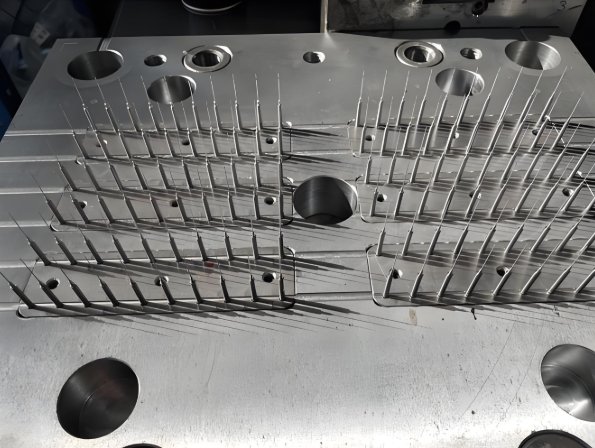
Validation and testing are critical in medical injection molding. They ensure that every product meets strict industry standards. Mold makers play a key role in maintaining precision and compliance. Without proper validation, defects can lead to recalls, safety risks, and regulatory violations.
What Is Validation in Medical Injection Molding?
1. Definition
Validation confirms that the molding process consistently produces high-quality parts. It ensures compliance with medical standards.
2. Why It’s Important
Medical devices must function correctly every time. Validation prevents failures, ensuring patient safety.
3. Key Regulatory Requirements
- FDA 21 CFR Part 820 – Ensures quality system regulation (QSR) compliance.
- ISO 13485 – Defines quality management for medical devices.
- ISO 14971 – Covers risk management in medical device production.
Types of Validation in Medical Injection Molding
1. Design Validation
- Confirms that the product meets its intended function.
- Involves prototypes, simulations, and customer feedback.
2. Installation Qualification (IQ)
- Ensures equipment is correctly installed and ready for use.
- Verifies calibration, environmental conditions, and machine settings.
3. Operational Qualification (OQ)
- Tests the molding process under different conditions.
- Checks temperature, pressure, cycle time, and other key parameters.
4. Performance Qualification (PQ)
- Confirms that the process consistently produces defect-free parts.
- Involves repeated production runs under standard conditions.
5. Process Validation
- Ensures long-term process stability.
- Verifies that every batch meets specifications without defects.
What Is Testing in Medical Injection Molding?
1. Definition
Testing evaluates the physical, chemical, and mechanical properties of molded parts. It ensures durability, biocompatibility, and regulatory compliance.
2. Why It’s Important
Medical devices must be safe, reliable, and sterile. Testing confirms that every component meets strict industry standards.
3. Regulatory Testing Standards
- ISO 10993 – Ensures biocompatibility for medical-grade plastics.
- USP Class VI – Tests for toxicity in medical materials.
- ISO 11607 – Ensures packaging integrity for sterilized products.
Key Testing Methods in Medical Injection Molding
1. Dimensional Testing
- Measures product dimensions using laser scanners and CMM machines.
- Ensures tight tolerances required for medical applications.
2. Mechanical Testing
- Evaluates strength, flexibility, and impact resistance.
- Ensures parts can withstand real-world medical conditions.
3. Biocompatibility Testing
- Checks if materials are safe for human contact.
- Prevents adverse reactions in medical applications.
4. Sterilization Validation
- Ensures molded components remain sterile after exposure to heat, chemicals, or radiation.
- Tests different sterilization methods, including autoclaving and gamma radiation.
5. Chemical Resistance Testing
- Determines how medical plastics react to cleaning agents and body fluids.
- Ensures long-term durability in medical environments.
6. Accelerated Aging Tests
- Simulates years of use in a short period.
- Confirms product lifespan and stability over time.
7. Environmental Stress Testing
- Exposes parts to extreme temperatures, humidity, and pressure.
- Ensures performance under harsh medical conditions.
8. Leak and Seal Integrity Testing
- Verifies that fluid-handling components do not leak.
- Ensures reliability in IV systems, catheters, and drug delivery devices.
The Role of Mold Makers in Validation and Testing
1. Precision Mold Design
- Mold makers ensure that molds meet exact specifications.
- Proper mold design reduces defects and improves part consistency.
2. Tool Qualification
- Molds undergo rigorous testing before full production begins.
- Ensures they produce parts within tolerance limits.
3. Preventative Maintenance
- Regular mold maintenance prevents defects.
- Ensures long-term reliability of production equipment.
4. Process Optimization
- Mold makers fine-tune molding parameters for efficiency.
- Ensures repeatability and high-quality output.
Challenges in Validation and Testing
1. Complex Regulatory Requirements
- Compliance with FDA, ISO, and GMP regulations is difficult.
- Requires constant updates and documentation.
2. High Cost of Validation
- Testing equipment and validation protocols increase expenses.
- However, compliance prevents costly recalls and failures.
3. Material Variability
- Medical-grade plastics must meet biocompatibility standards.
- Small material changes can impact final product performance.
4. Ensuring Repeatability in High-Volume Production
- Mass production must maintain consistent quality.
- Process validation helps achieve this goal.
Best Practices for Successful Validation and Testing
1. Develop a Comprehensive Validation Plan
- Outline all steps before starting production.
- Include IQ, OQ, PQ, and process validation.
2. Use Advanced Testing Equipment
- Invest in high-precision measurement tools.
- Automated quality control improves accuracy.
3. Conduct Regular Audits
- Internal and external audits ensure compliance.
- Identify process weaknesses before they lead to defects.
4. Maintain Detailed Documentation
- Keep records of all validation and testing procedures.
- Helps with traceability and regulatory approval.
5. Train Employees on Validation Standards
- Workers must understand compliance requirements.
- Regular training ensures proper execution of testing protocols.
6. Collaborate with Regulatory Experts
- Work with compliance specialists to meet FDA and ISO standards.
- Prevents costly mistakes and production delays.
Future Trends in Validation and Testing for Medical Injection Molding
1. AI-Powered Quality Control
- Machine learning will detect defects faster than humans.
- AI will optimize molding parameters for better efficiency.
2. Real-Time Monitoring Systems
- Sensors will track process stability in real time.
- Instant feedback will improve defect detection.
3. Blockchain for Compliance Tracking
- Secure digital records will enhance traceability.
- Regulatory agencies may adopt blockchain for auditing.
4. Eco-Friendly Material Testing
- New biodegradable medical plastics will require stricter validation.
- Testing will ensure sustainability without compromising performance.
5. Virtual Simulation for Process Validation
- Advanced software will simulate molding conditions before production.
- Reduces trial-and-error, saving time and resources.
Validation and testing are essential for medical injection molding. They ensure compliance, product safety, and long-term reliability. Mold makers play a crucial role in designing, maintaining, and optimizing molds. With evolving technology and stricter regulations, manufacturers must invest in advanced validation techniques. By following best practices, they can maintain high-quality standards, reduce risks, and ensure patient safety.