
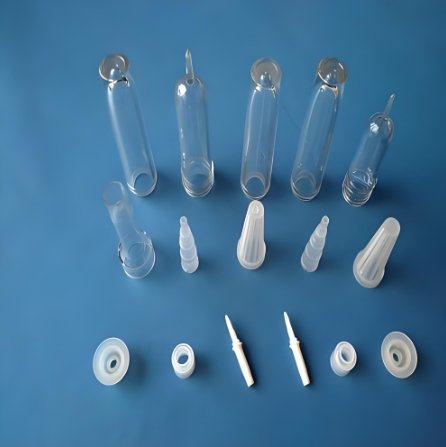
Sustainability is the future of manufacturing. In the world of healthcare, medical injection molding plays a critical role. As concerns about the environment grow, industries are shifting toward greener practices. Mold makers are adapting to these changes. They are improving the sustainability of medical injection molding. The future of the industry depends on eco-friendly practices. This article explores why sustainable medical injection molding is the way forward.
1. The Environmental Impact of Medical Devices
1.1 Growing Demand for Medical Devices
The healthcare industry is expanding. More medical devices are needed than ever before. Medical injection molding is essential for manufacturing these devices. However, the environmental impact of producing so many devices is significant. Mold makers are tasked with creating molds that minimize waste and reduce energy consumption.
1.2 Waste Generation and Material Use
Traditional manufacturing processes often create a lot of waste. In medical injection molding, materials like plastics are used in large quantities. Excess material can end up as waste. Sustainable practices aim to reduce this waste. Mold makers play a key role in ensuring molds are designed to optimize material use and minimize waste.
2. The Need for Sustainable Manufacturing in Healthcare
2.1 Reducing Carbon Footprint
The healthcare industry contributes significantly to global carbon emissions. The production of medical devices using medical injection molding can increase the carbon footprint. By focusing on sustainable manufacturing practices, manufacturers can reduce their carbon impact. This helps the healthcare sector align with global sustainability goals.
2.2 Meeting Global Regulations
Governments and organizations are setting stricter regulations. They are pushing industries to adopt sustainable practices. Medical injection molding is no exception. Mold makers must comply with these environmental regulations. This requires investing in energy-efficient machinery and using eco-friendly materials.
3. The Role of Eco-Friendly Materials in Medical Injection Molding
3.1 Biodegradable Plastics
One of the major steps toward sustainable medical injection molding is using biodegradable plastics. These materials break down naturally over time, reducing waste. Mold makers are now exploring ways to incorporate biodegradable plastics into the manufacturing process. This helps reduce the environmental impact of medical devices, particularly those that are used once and discarded.
3.2 Recycled Materials
Recycling is another sustainable solution. Using recycled plastics in medical injection molding helps reduce the demand for new raw materials. It also lowers waste and energy consumption. Mold makers are finding innovative ways to incorporate recycled materials into their molds without compromising the quality of the final product.
4. Energy Efficiency in Medical Injection Molding
4.1 Reducing Energy Consumption
Energy use is a significant concern in manufacturing. Medical injection molding requires machines that consume a lot of energy. However, recent advancements in technology are helping reduce energy consumption. Modern machines are more energy-efficient. Mold makers are designing molds that optimize the energy use of these machines.
4.2 Smart Technologies and Automation
Automation and smart technologies are transforming medical injection molding. These technologies help optimize the production process, reducing waste and energy use. Mold makers are working to integrate smart systems into their molds to ensure energy-efficient manufacturing. These systems monitor production in real-time, allowing for adjustments that reduce unnecessary energy consumption.
5. Sustainable Manufacturing Practices for Mold Makers
5.1 Lean Manufacturing Techniques
Lean manufacturing focuses on minimizing waste and maximizing efficiency. Mold makers are adopting these techniques to make their processes more sustainable. By eliminating waste in every stage of production, from design to delivery, they are creating more efficient systems. This approach not only saves resources but also reduces costs.
5.2 Process Optimization
Optimizing the molding process is another way to make it more sustainable. Mold makers continuously assess and improve their processes. By reducing cycle times and enhancing mold design, they can reduce material usage and energy consumption. These efforts lead to a more sustainable production process.
6. Benefits of Sustainable Medical Injection Molding
6.1 Cost Savings
Sustainable practices often lead to cost savings. Using eco-friendly materials, reducing waste, and optimizing energy consumption can lower production costs. For manufacturers, this means higher profit margins. Mold makers can also offer more competitive pricing by adopting these practices.
6.2 Improved Brand Image
Consumers and businesses are increasingly valuing sustainability. Companies that prioritize eco-friendly practices, such as medical injection molding, are seen as responsible and forward-thinking. This helps improve their brand image and attracts customers who prioritize environmental responsibility.
6.3 Regulatory Compliance
With stricter environmental regulations, adopting sustainable practices helps companies stay compliant. Non-compliance can lead to penalties and damage to reputation. By focusing on sustainability, mold makers can ensure that their manufacturing processes meet the latest regulations and avoid potential legal challenges.
7. Challenges in Implementing Sustainable Practices
7.1 Cost of Transition
Switching to sustainable practices can be costly initially. New equipment, materials, and technologies require investment. Mold makers may face challenges in making these transitions, especially for small or medium-sized companies. However, the long-term savings and benefits often outweigh the initial investment.
7.2 Sourcing Sustainable Materials
Sourcing sustainable materials can be difficult. While biodegradable plastics and recycled materials are available, they may not always meet the required standards for medical devices. Mold makers must work closely with suppliers to ensure that the materials they use are both sustainable and compliant with healthcare regulations.
8. The Future of Sustainable Medical Injection Molding
8.1 Advancements in Bioplastics
As the demand for sustainable medical devices grows, so does the development of new materials. Bioplastics are expected to play a key role in the future of medical injection molding. These materials offer a sustainable alternative to traditional plastics. Mold makers will need to keep up with these advancements to stay competitive.
8.2 Automation and Sustainability
The future of sustainable medical injection molding will involve further integration of automation. Automated systems are expected to become even more energy-efficient. Mold makers will need to design molds that can work seamlessly with these advanced automated systems to ensure a more sustainable production process.
Sustainable medical injection molding is not just a trend; it is the future of medical device manufacturing. As the healthcare industry grows, so does the need for eco-friendly practices. Mold makers play a crucial role in reducing waste, energy consumption, and carbon footprints. By adopting sustainable materials and manufacturing techniques, the industry can continue to produce high-quality medical devices while protecting the environment. The shift toward sustainability is not only good for the planet but also beneficial for businesses and consumers alike. The future of medical injection molding is green, efficient, and sustainable.