
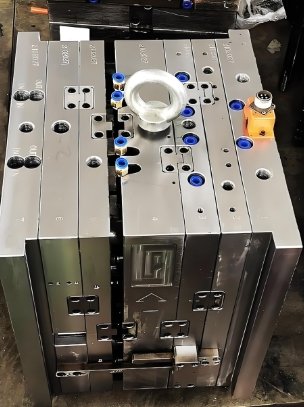
Implantable medical devices improve patient health. They must be precise, safe, and biocompatible. Medical injection molding plays a key role in their production. It ensures consistency, sterility, and durability. Mold makers create high-precision molds to meet strict medical standards.
Why Injection Molding is Essential for Implants
1. High Precision and Accuracy
Implants must fit the body perfectly. Medical injection molding creates complex shapes with tight tolerances. This ensures implants work properly.
2. Biocompatible Materials
Implants stay inside the body for long periods. The materials must be safe, non-toxic, and resistant to bodily fluids.
3. Sterility and Cleanroom Production
Sterility is critical for implants. Medical injection molding happens in clean environments to prevent contamination.
4. Consistency in Production
Every implant must be the same. Injection molding ensures each part meets exact specifications.
5. Cost-Effective Manufacturing
Mass production reduces costs. Injection molding allows fast and efficient production of high-quality implants.
Types of Implantable Medical Devices Made with Injection Molding
1. Orthopedic Implants
Hip, knee, and spinal implants require strong, durable materials. Medical injection molding ensures precision in their design.
2. Cardiovascular Implants
Pacemaker casings and heart valve components use injection-molded parts. They must be lightweight, durable, and biocompatible.
3. Dental Implants
Molded plastic components are used in artificial teeth and dental bridges. They must be strong and long-lasting.
4. Neurological Implants
Devices like brain stimulators contain injection-molded parts. Precision is key to their function.
5. Drug Delivery Implants
Some implants release medication over time. Medical injection molding ensures proper drug delivery mechanisms.
6. Ophthalmic Implants
Artificial lenses and other eye implants need clear, biocompatible plastics. Injection molding ensures clarity and precision.
Materials Used in Medical Injection Molding for Implants
1. PEEK (Polyether Ether Ketone)
PEEK is strong, biocompatible, and resistant to chemicals. It is used in spinal and dental implants.
2. Medical-Grade Silicone
Silicone is flexible and safe for long-term use. It is used in pacemakers and breast implants.
3. Polycarbonate (PC)
Polycarbonate is durable and transparent. It is ideal for eye implants and surgical tools.
4. Polypropylene (PP)
Polypropylene is lightweight and resistant to chemicals. It is used in many implantable drug delivery devices.
5. Bioabsorbable Polymers
Some implants dissolve in the body over time. These materials reduce the need for removal surgeries.
The Role of Mold Makers in Implant Production
1. Designing the Mold
Mold makers create high-precision molds. They ensure the final implant matches exact specifications.
2. Selecting the Right Material
Different implants require different materials. Mold makers choose materials that meet medical requirements.
3. Ensuring Cleanroom Compatibility
Molds must be designed for sterile production. This prevents contamination in implant manufacturing.
4. Prototyping and Testing
Before mass production, prototypes are made. These are tested for safety and functionality.
5. Maintaining Mold Quality
Regular mold maintenance ensures consistent production. This prevents defects in implantable devices.
Advantages of Medical Injection Molding in Implant Production
1. High Precision Manufacturing
Every implant must meet strict accuracy standards. Injection molding ensures perfect dimensions.
2. Mass Production Capability
Thousands of implants can be produced quickly. This makes medical devices more accessible.
3. Reduced Production Costs
Injection molding is efficient. It lowers material waste and reduces overall costs.
4. Strong and Lightweight Implants
Injection-molded implants are durable yet lightweight. This improves patient comfort and device longevity.
5. Minimal Waste and Eco-Friendly Processes
Advanced molding techniques reduce excess material use. This leads to more sustainable production.
Challenges in Injection Molding for Implants
1. Strict Medical Regulations
Implants must meet FDA and ISO standards. Compliance is essential in production.
2. Biocompatibility Testing
All materials must be tested for safety inside the body. This process takes time and research.
3. Avoiding Contamination
Cleanroom production is necessary. Any contamination can make implants unsafe.
4. High Initial Costs
Creating molds requires an initial investment. However, long-term production remains cost-effective.
Advanced Technologies in Medical Injection Molding
1. Micro Molding
This technology makes extremely small parts. It is used for implants like hearing aids and nerve stimulators.
2. Overmolding
Overmolding combines two materials in one part. This improves flexibility and durability in implants.
3. Liquid Silicone Rubber (LSR) Molding
LSR molding creates soft, flexible implants. It is ideal for pacemaker leads and tubing.
4. Automation in Injection Molding
Robotics improve accuracy and speed. Automated systems ensure each implant meets strict standards.
The Future of Medical Injection Molding for Implants
1. Smart Implantable Devices
Future implants will have sensors and wireless capabilities. Injection molding will help in their development.
2. Sustainable and Biodegradable Implants
New materials will create eco-friendly implants. These will reduce medical waste.
3. Improved Biocompatible Polymers
Scientists are developing better materials for implants. These will enhance patient safety and comfort.
4. 3D Printing and Injection Molding Integration
Combining these technologies will allow for faster prototyping and production.
Medical injection molding plays a crucial role in implantable medical devices. It ensures precision, safety, and efficiency. Mold makers design high-quality molds for strict medical applications. As technology advances, injection molding will continue to improve implant production. This will lead to safer and more effective medical devices for patients worldwide.