
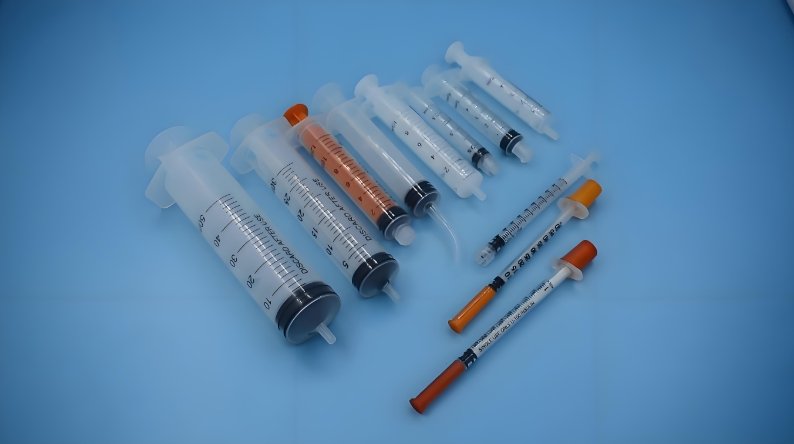
Efficiency is essential in medical injection molding. It affects production speed, costs, and product quality. Mold makers play a key role in optimizing molds and processes. Efficient operations ensure regulatory compliance while reducing waste and downtime.
1. The Importance of Efficiency in Medical Injection Molding
1.1 Ensuring High-Quality Medical Components
- Medical devices require precision and consistency.
- Efficient production prevents defects and ensures compliance.
1.2 Reducing Manufacturing Costs
- Waste and inefficiencies increase expenses.
- Optimized processes lower material and labor costs.
1.3 Meeting Strict Regulatory Standards
- Medical parts must comply with FDA and ISO regulations.
- Efficiency ensures smooth audits and reduces compliance risks.
1.4 Enhancing Patient Safety
- High-quality molded components improve medical device reliability.
- Consistent production ensures safe and sterile products.
1.5 Increasing Production Speed
- Faster cycle times mean higher output.
- Helps meet rising demand for medical products.
2. How Efficiency Impacts Production Costs
2.1 Lowering Material Waste
- Medical-grade plastics are expensive.
- Efficient molding minimizes scrap and excess usage.
2.2 Reducing Machine Downtime
- Predictive maintenance prevents unplanned stops.
- IoT-connected machines optimize uptime.
2.3 Optimizing Labor Costs
- Automation reduces manual labor needs.
- Skilled technicians focus on quality control and innovation.
2.4 Energy-Efficient Production
- Electric injection molding machines consume less power.
- Smart cooling systems reduce heat-related energy waste.
3. The Role of Mold Makers in Efficiency
3.1 Designing High-Performance Molds
- Mold makers create precision-engineered molds.
- Ensures fast and defect-free production.
3.2 Implementing Multi-Cavity Molds
- Produces multiple parts per cycle.
- Increases output while reducing material waste.
3.3 Using Hot Runner Systems
- Eliminates excess plastic waste.
- Improves material flow and product consistency.
3.4 Enhancing Mold Durability
- Long-lasting molds reduce replacement costs.
- Proper coatings prevent wear and corrosion.
4. Process Optimization for Maximum Efficiency
4.1 Scientific Injection Molding
- AI analyzes process parameters.
- Ensures optimal pressure, temperature, and cycle time.
4.2 Real-Time Production Monitoring
- IoT sensors track machine performance.
- Detects and fixes inefficiencies instantly.
4.3 Automation in Medical Injection Molding
- Robots handle part removal and assembly.
- Reduces labor costs and contamination risks.
4.4 Reducing Cycle Time
- Efficient cooling channels speed up part solidification.
- Faster ejection lowers overall cycle time.
5. Quality Control and Efficiency
5.1 AI-Powered Inspection Systems
- Identifies defects before parts leave production.
- Reduces rework and material waste.
5.2 Standardized Manufacturing Protocols
- Ensures every batch meets medical industry standards.
- Reduces inconsistencies between production runs.
5.3 Cleanroom Manufacturing Efficiency
- Minimizes contamination risks.
- Smart air filtration lowers energy use while maintaining sterility.
6. Sustainable and Cost-Effective Manufacturing
6.1 Using Recyclable Medical Plastics
- Reduces reliance on virgin materials.
- Lowers environmental impact while saving costs.
6.2 Energy-Saving Manufacturing Techniques
- Smart scheduling reduces power use during peak hours.
- Hybrid injection molding machines balance efficiency and power.
6.3 Waste Reduction Strategies
- AI optimizes material use per injection cycle.
- Reduces defective parts and scrap material.
7. The Future of Efficiency in Medical Injection Molding
7.1 Fully Automated Smart Factories
- AI and robotics will manage entire production lines.
- Requires minimal human intervention.
7.2 Predictive Maintenance with AI
- Sensors will predict equipment failures.
- Prevents costly downtime and defects.
7.3 Blockchain for Supply Chain Optimization
- Tracks materials from sourcing to final production.
- Reduces waste and ensures ethical material use.
7.4 Sustainable Manufacturing Innovations
- Biodegradable medical plastics will lower costs.
- Renewable energy will power more factories.
Efficiency is key in medical injection molding. Mold makers use advanced designs and automation to improve production. AI, IoT, and sustainable materials further optimize processes. Efficient operations lower costs, improve quality, and ensure compliance, making them essential for success.